100,000 App Downloads From TikTok Slideshows
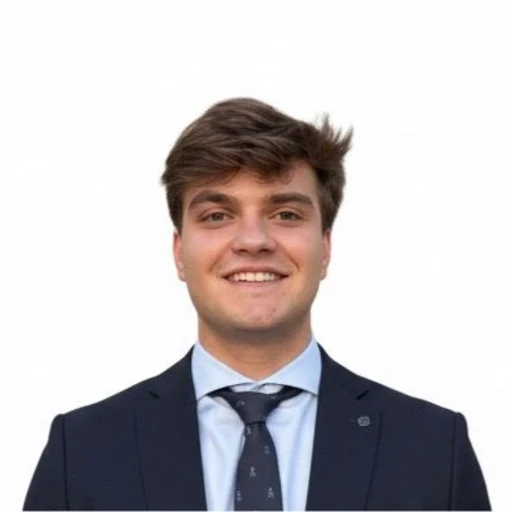
Alberto Pérez gets 2-5M TikTok views a month from simple slideshows. No paid ads. No UGC videos. No polished content machine. His main app passed 100,000 downloads, and across his two main apps he makes around $8K/month.
Who is Alberto Pérez?
Alberto Pérez is an app founder who comes from the marketing side, not the technical side. That is what makes his story interesting. Most app builders start by building for months, then panic because they have no idea how to get users. Alberto is the opposite. He already understands content. The hard part for him was building the app.
He started experimenting with AI coding tools, built his first app, and began making around $20/day. Then someone told him to try a harder paywall. Sales jumped. The product was simple, but the distribution was working.
His edge is not a complicated growth stack. It is knowing how to make a format people want to watch, then repeating it until the algorithm catches one.
What is Flowfy?
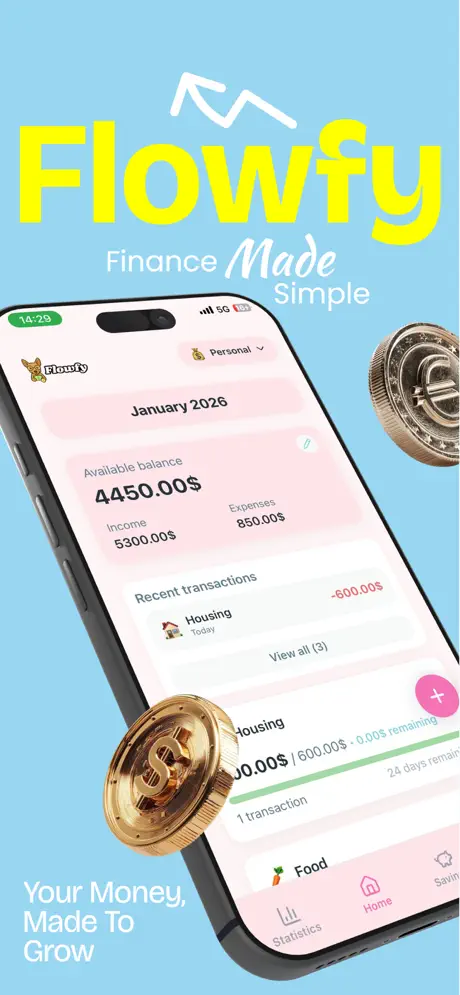
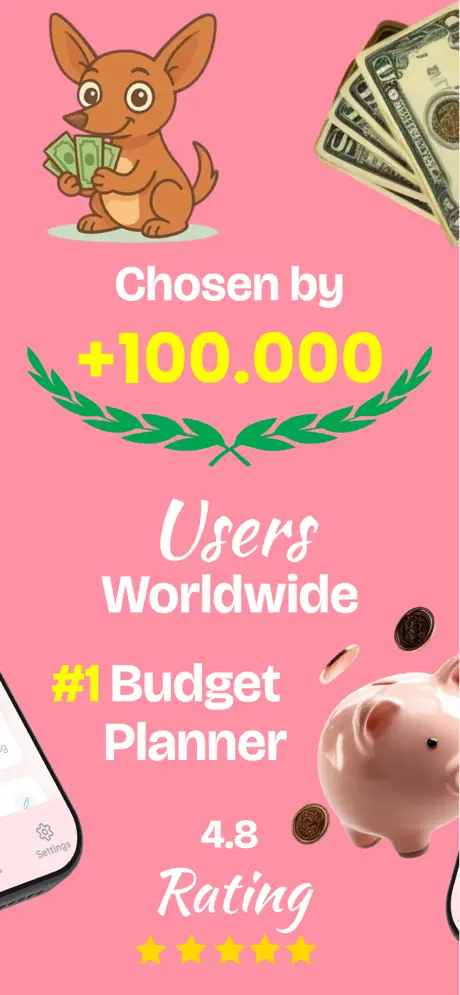
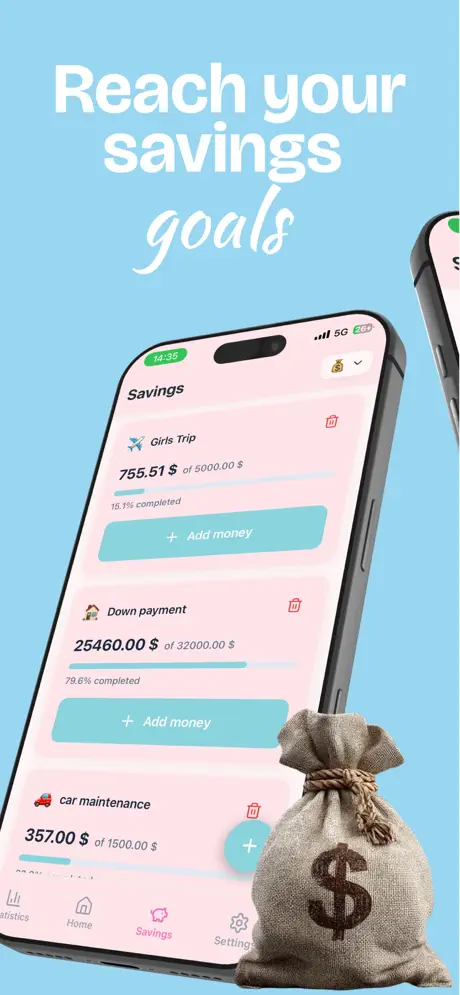
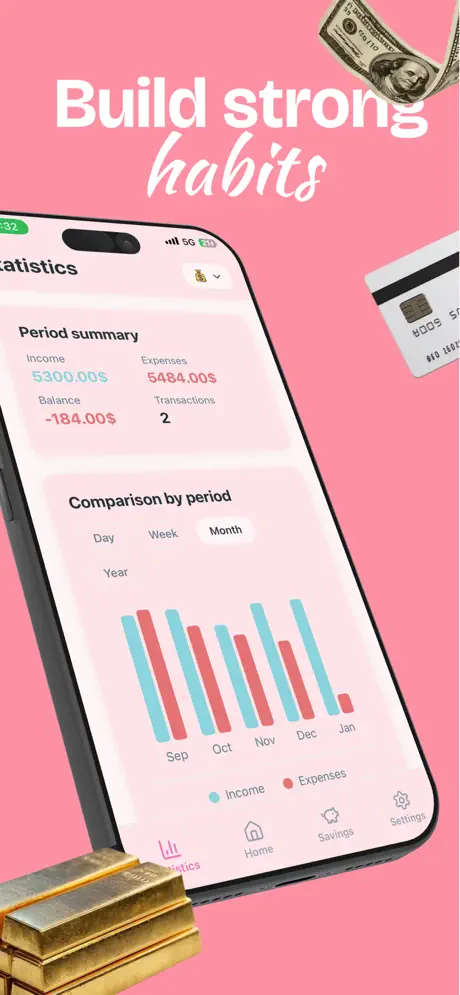
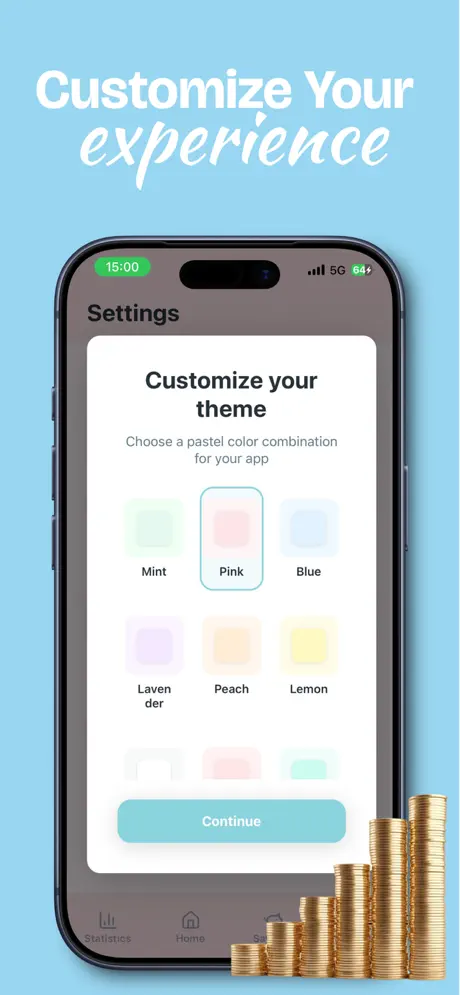
Flowfy is Alberto Pérez's budget tracking app, aimed mostly at women in Spain. The product is visual, pastel, and easy to understand in a screenshot. That matters because the screenshot is part of the marketing.
The important lesson is not the category. It is the way he thinks about the product. He wants the app to have at least one screen that works as a TikTok "wow moment." A screen people can see in a slideshow and immediately think: what app is this?
That is very different from building features in isolation. The feature has to be useful, but it also has to be visible enough to sell itself in content.
How much does Flowfy make?
Across his two main apps, Alberto Pérez makes around $8,000/month, as shared on the Tap & Swipe podcast (June 2026). Flowfy recently passed 100,000 downloads, and his TikTok accounts generate around 2-5M views per month.
The more surprising part is where the revenue comes from. Most founders obsess over the US market first. Alberto started with Spain because his phone, language, and content instincts were already native to Spain. For him, the Spanish market was easier to test, easier to understand, and easier to win.
The US may have higher purchasing power, but a harder market with worse distribution can still lose to a smaller market where your content actually works.
How did Alberto Pérez get 100,000 app downloads from TikTok slideshows?
Alberto Pérez grows Flowfy with TikTok slideshows because they are fast enough to post at volume. He does not try to make polished videos three times a day. He does not need UGC actors. He does not need a production workflow.
The whole point is repeatability.
"When you find a video that goes viral with your type of content and you don't spend too much time on it, that's the video that you have to replicate over and over and over again."
For app founders, that is the real insight. A content strategy is not just "what could go viral?" It is "what could I actually post every day without burning out?"
Slideshows work for Alberto because he can create many variations of the same winning format. Same structure. Same type of hook. Same kind of screenshot. Different angle.
How does Alberto Pérez know if a TikTok format can go viral?
Alberto tests several formats at the beginning instead of falling in love with one idea. On a new account, he recommends posting five or six different content formats in the first two weeks.
If one format gets over 15,000 views, he treats that as a signal. Not proof. A signal. That means the algorithm found some audience for it, and it may be worth repeating.
In Spain, Alberto says roughly one in every six posts can go viral when the format is working. In the US, it is harder for him. More like one in 30 or one in 35. That difference changes the emotional experience completely. If you are testing in a market where nothing hits, you might quit before learning anything.
His advice is simple: start where you have the best natural advantage. Your own country. Your own language. Your own phone. Then expand.
How do you avoid making TikTok content look like an ad?
The content works because it does not feel like an ad. Alberto tries to make viewers feel like they discovered the app themselves.
That is the sweet spot: enough app visibility to drive downloads, but not so much selling that people swipe away.
If a slideshow gets millions of views but nobody downloads, the CTA is too weak or the app is not connected to the reason people watched. If the slideshow screams "download my app," it dies because it feels like paid creative.
The middle ground is to show the app as part of a useful or relatable moment. A screenshot. A small result. A visual transformation. Something that makes people ask for the app in the comments instead of feeling like it was pushed at them.
For app builders, this changes how you should think about product. You need at least one screen, widget, or result that can carry the content.
How does Alberto Pérez scale TikTok organic to other countries?
Alberto scales TikTok organic by running multiple accounts, but he is careful about automation. He does not recommend fully automated posting through APIs because TikTok can detect when content is too automated.
His workflow is more manual than people expect. He prepares the app screens, then edits inside TikTok. He pastes the text by hand, spends time in the native editor, and uses TikTok's own font style so the post feels native to the platform.
On his main phone in Spain, he runs several accounts across different apps and posts on about five of them. For other countries, he uses another phone with a VPN active all the time.
But he is honest about the tradeoff: going viral through a VPN setup is harder. Spain is easier for him. The US, Canada, and Australia may be more valuable markets, but they are also more frustrating when the hit rate is lower.
The practical takeaway: prove the format locally first. Then use a second phone to test higher-value markets.
Do music and hashtags matter on TikTok?
Music and hashtags matter less than founders think. Alberto does not ignore them, but he does not treat them like magic either.
The goal is coherence. If the slideshow is sad, do not use music that fights the emotion. If the app is for a specific audience, use hashtags and captions that help TikTok understand that audience.
But the song is not the strategy. The hashtag is not the strategy. The content format is the strategy.
That is good news for founders because it means you do not need to waste hours looking for the perfect trending sound. Make the post feel native, match the emotion, and move on.
How much does Flowfy cost?
Flowfy keeps pricing low because of the category. The app helps people manage money, so asking for a high monthly price would create friction.
At the time of the episode, his pricing was around 4 euros per month in Spain, $5/month in the US, and $35/year. He also checks competitors instead of inventing pricing from scratch.
This is another simple part of his playbook. He does not overcomplicate it. The app is a budget tracker. Users are price sensitive. Competitors sit in a certain range. So he prices in a range that feels logical for the market.
Not every app should be cheap. But the price has to match the user's intent. If someone downloads an app to save money, the paywall has to respect that context.
What is Alberto Pérez's #1 tip for new app builders?
Alberto's main advice is to build the app while thinking about the content from day one.
Too many founders build for six months, add feature after feature, then realize they have no traction. The app may be good, but nobody sees it. For Alberto, that is backwards.
Before you build, ask:
- What content can I make for this app?
- Can I repeat that content daily?
- Is there a visual moment people will understand instantly?
- Will viewers ask for the app without me begging them to download it?
That is the real lesson from his story. Distribution is not something you add after the app is finished. It should shape what you build.
More episodes
See all episodes →
I Built a €1M/Year Dating App in 4.5 Months
Gabriel Zeitoun explains how BPM reached €1M in annualized revenue in 4.5 months through a run club, premium features, and Meta ads in France.
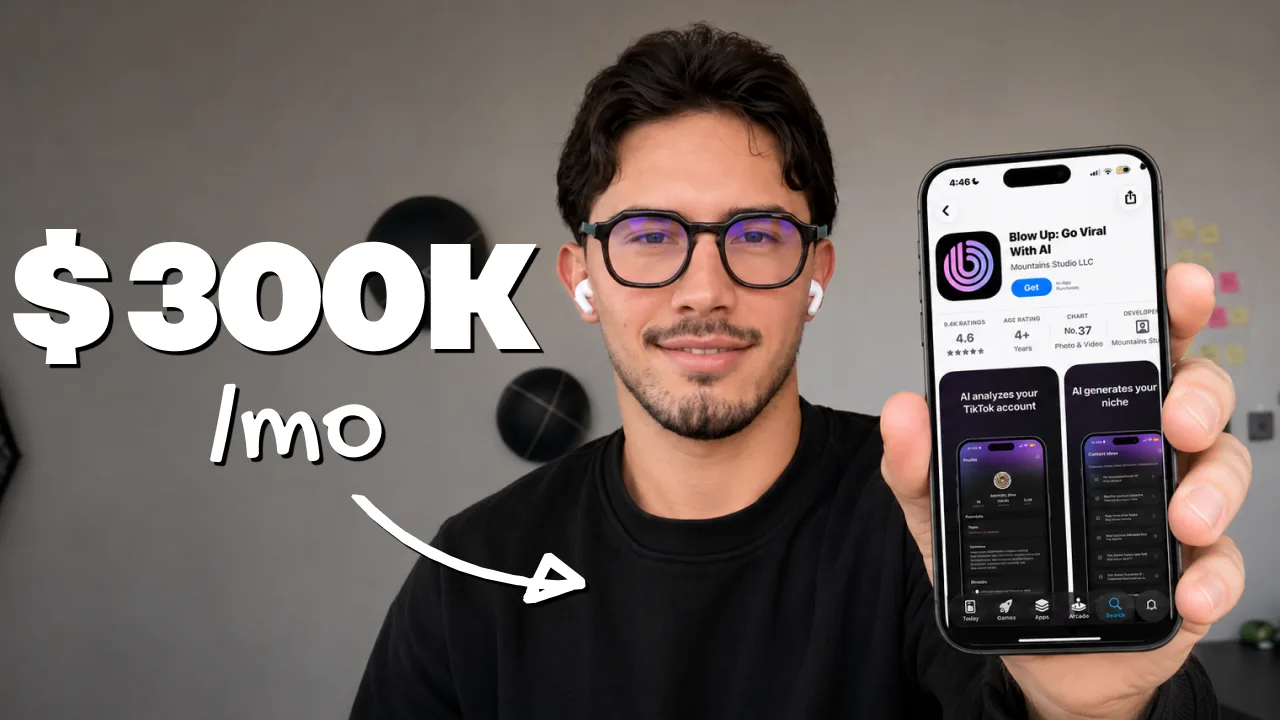
I Built a $300K/Month App Business With UGC
Enzo explains how he built a $300K/month app business with UGC creators, 250M monthly views, repeatable formats, and performance-based pay.
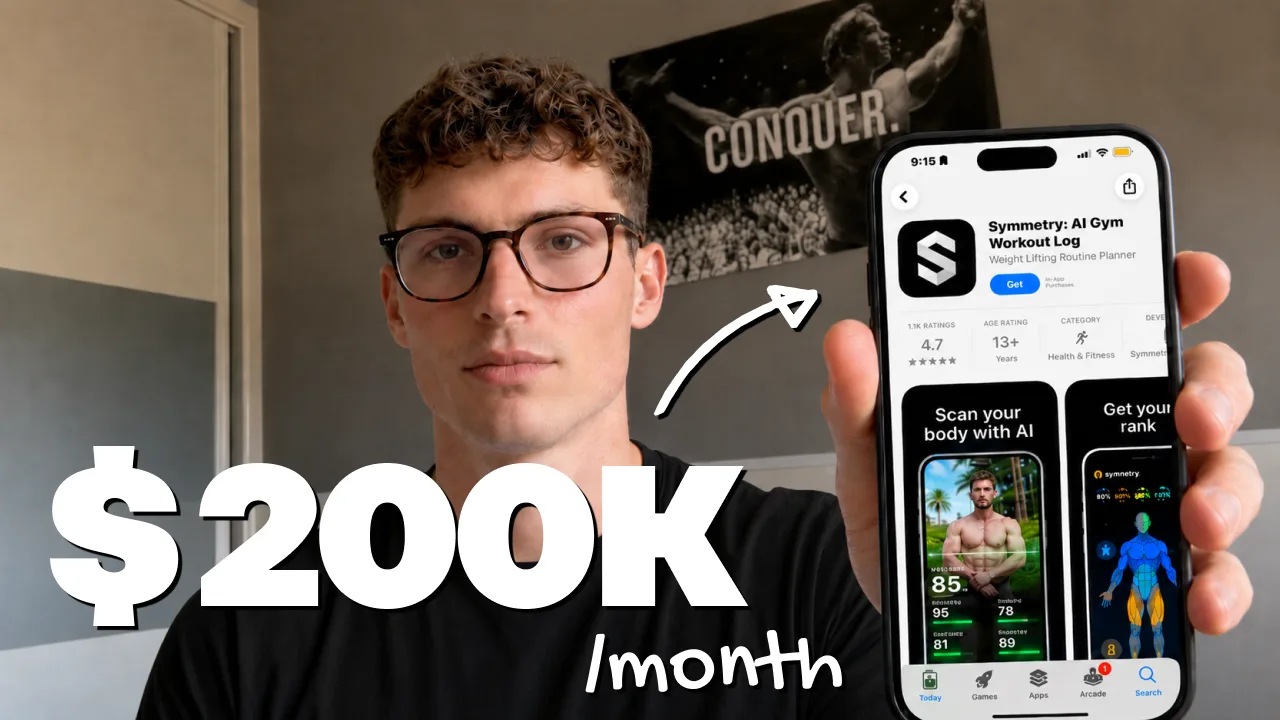
I Got 1 Billion Views For My App With No Ads
Mauro Botanes explains how Symmetry reached $200K/month, 2M downloads, and nearly 1B organic views by building a creator machine instead of running ads.